London on a shoestring budget
London is one of the most expensive cities in Europe, but it is also one of the easiest to enjoy cheaply once you know where the savings are.
Key points
- A contactless card or Oyster card caps your daily travel cost.
- The big national museums are free, and so are the royal parks.
- Staying a little outside the centre can save a lot, if it's near a station.
Where to stay
Central luxury hotels are out of reach for most budgets, but you have other choices. Hostels offer private rooms as well as dorms, budget hotel chains sit near major stations, and guesthouses in outer areas can cost a lot less. Check how far you are from a Tube or rail station, because a cheap room far from transport can cost you in time and fares.
Getting around
Pay as you go with a contactless bank card or an Oyster card, and your daily spend on the Tube and buses is capped. Buses are cheaper than the Tube and are a good way to see the city. Check Transport for London's site for current fares. London is also very walkable, and many central sights are closer together than the Tube map implies.
What's free
The permanent collections at the British Museum, the National Gallery, the Natural History Museum, the V&A and Tate Modern don't charge for entry, although special exhibitions do. The royal parks, including Hyde Park, St James's Park and Regent's Park, are free too.
A free walk along the river
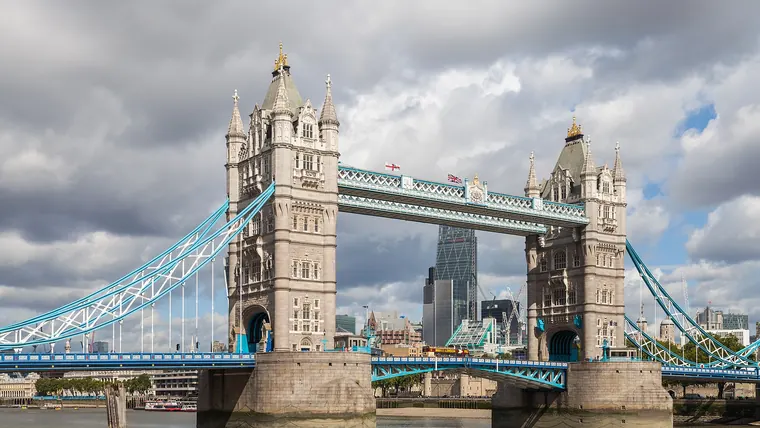
Start at Westminster Bridge, with Parliament and Big Ben behind you. Cross to the South Bank and follow the Thames path east: the London Eye, the National Theatre, Tate Modern, Shakespeare's Globe and Borough Market, then on to Tower Bridge. It's a few miles at an easy pace, with plenty of places to stop.
Eating without overspending
Markets, bakeries and supermarket meal deals keep lunch cheap. Many restaurants offer lunch menus that cost much less than dinner. Book ahead for paid attractions, as some are cheaper online.
Before you go
Check current entry rules for the UK, as they depend on your nationality. Our travel checklist can help you work through the rest.
When to go
Summer and the weeks around Christmas are usually the dearest for hotels. Late winter and parts of autumn tend to be cheaper, though you'll want a coat and an umbrella whatever the month.
From the airport
Heathrow has the Elizabeth line and the Piccadilly line, which are slower than the Heathrow Express but cheaper. Gatwick and Stansted have trains and coaches. Compare the price and the time, and check the last service if you land late.
A three-day sketch
- Day one: the Westminster to Tower Bridge river walk described above.
- Day two: the Natural History Museum and the V&A, which sit next to each other in South Kensington, then a stroll through Hyde Park.
- Day three: Greenwich, with its park and the free National Maritime Museum.
Watch out for
Ticket touts, 'free' bracelets and unlicensed taxis near big sights. Use licensed black cabs, minicabs you've booked through an app or public transport.
Keep reading
- Gran Canaria or Lanzarote? Choosing your island
- How to choose an eSIM for international travel
- International travel checklist
Official sources
We link to these because they set the rules or publish the current details.